Table of Contents
Introduction
Why Website Development Costs Vary
Key Factors That Affect Website Development Pricing
Website Development Cost by Website Type
Website Development Cost Breakdown
Custom Website vs Template Website: Which Offers Better Value?
Freelancer vs Website Development Company: Which Should You Choose?
Hidden Website Development Costs to Consider
How to Choose the Right Website Development Company
How to Budget for Website Development in 2026
Common Mistakes to Avoid
Conclusion
Frequently Asked Questions
Introduction
A business website is no longer a luxury—it’s a necessity. Whether you’re a startup, a local business, an established company, or an eCommerce brand, your website plays a critical role in attracting customers, building trust, and generating revenue.
One of the first questions business owners ask before starting a project is:
“How much does website development cost?”
The answer isn’t as simple as a fixed number.
Website development costs depend on several factors, including the type of website, number of pages, custom features, design complexity, integrations, functionality, maintenance requirements, and the experience of the team building it.
Many businesses make the mistake of choosing the cheapest option without considering long-term value. While low-cost websites may reduce initial expenses, they often create problems such as slow performance, poor SEO, security vulnerabilities, limited scalability, and expensive redesigns later.
On the other hand, investing in a professional Website Development Company provides more than just a visually appealing website. It gives your business a secure, scalable, SEO-friendly platform that supports marketing, lead generation, and future growth.
In this pricing guide, you’ll learn what influences website development costs in 2026, typical pricing for different types of websites, hidden expenses to watch for, and how to choose the right Website Development Company for your business.
Why Website Development Costs Vary
No two websites are exactly alike.
A simple five-page business website requires significantly less work than a custom eCommerce platform with payment gateways, customer accounts, inventory management, and third-party integrations.
This is why pricing varies widely.
The total cost depends on the amount of time, expertise, and resources required to complete the project.
A professional Website Development Company usually evaluates your project based on several important factors before providing a quotation.
These include:
Instead of focusing only on price, businesses should evaluate the long-term value a professionally developed website provides.
A website that generates leads and sales for years delivers a far better return on investment than a low-cost website that requires frequent repairs or a complete redesign.
Key Factors That Affect Website Development Pricing
Understanding what influences website pricing helps you plan a realistic budget and avoid unexpected expenses.
1. Website Type
The biggest pricing factor is the type of website you need.
Examples include:
Landing page
Portfolio website
Business website
Corporate website
Blog
Educational platform
Membership website
eCommerce store
Marketplace
SaaS platform
Each type requires different levels of design, development, testing, and maintenance.
2. Number of Pages
A website with five pages naturally requires less work than one containing fifty service pages, blogs, product categories, landing pages, and support documentation.
More pages generally mean:
More design work
More content
More optimization
More testing
However, page count alone doesn’t determine pricing.
A single custom dashboard may require more development than twenty informational pages.
3. Custom Design
Template-based websites cost less because much of the design already exists.
Custom websites require designers to create unique layouts tailored to your branding, target audience, and business objectives.
A custom design typically includes:
A professional Website Development Company often recommends custom design for businesses seeking long-term growth and stronger brand recognition.
4. Features and Functionality
Additional functionality increases development time.
Examples include:
Contact forms
Live chat
Appointment booking
Customer dashboards
Payment gateways
Shopping carts
Membership systems
CRM integrations
Inventory management
Multilingual support
API integrations
Every feature requires planning, development, testing, and ongoing maintenance.
5. Content Creation
Many businesses overlook content when budgeting for a website.
High-quality content includes:
Homepage copy
Service pages
About page
Blog articles
Product descriptions
FAQs
Calls-to-action
Professional copywriting improves user experience while supporting SEO.
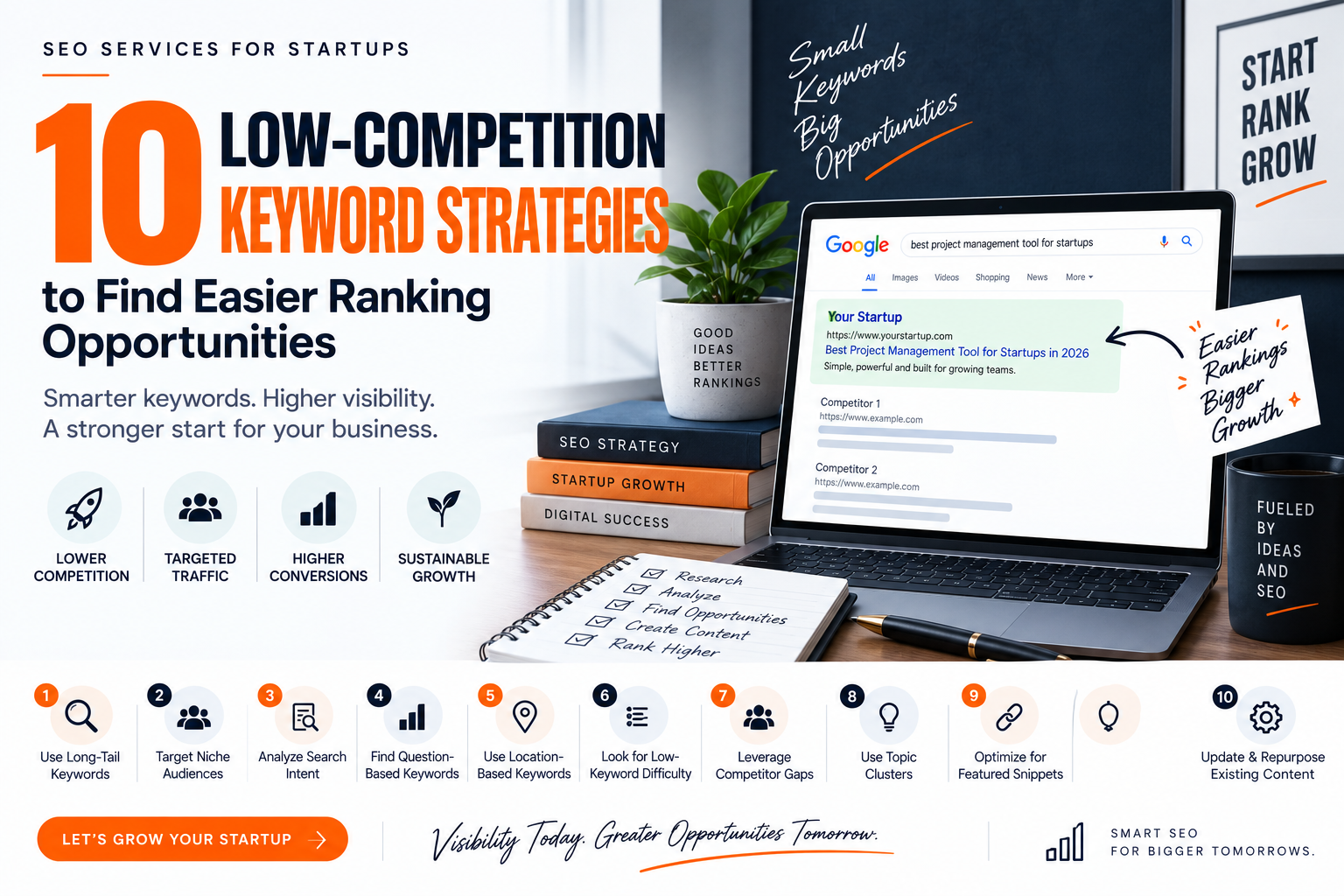
6. Search Engine Optimization (SEO)
SEO shouldn’t be added after a website launches.
A modern Website Development Company builds technical SEO into the website from the beginning.
Typical SEO work includes:
Although SEO increases development costs, it significantly improves long-term visibility and organic traffic.
7. Third-Party Integrations
Many websites connect with external services.
Examples include:
Google Analytics
CRM software
Email marketing tools
Payment gateways
WhatsApp Business
Live chat systems
Booking software
Accounting software
Each integration requires setup, testing, and ongoing compatibility checks.
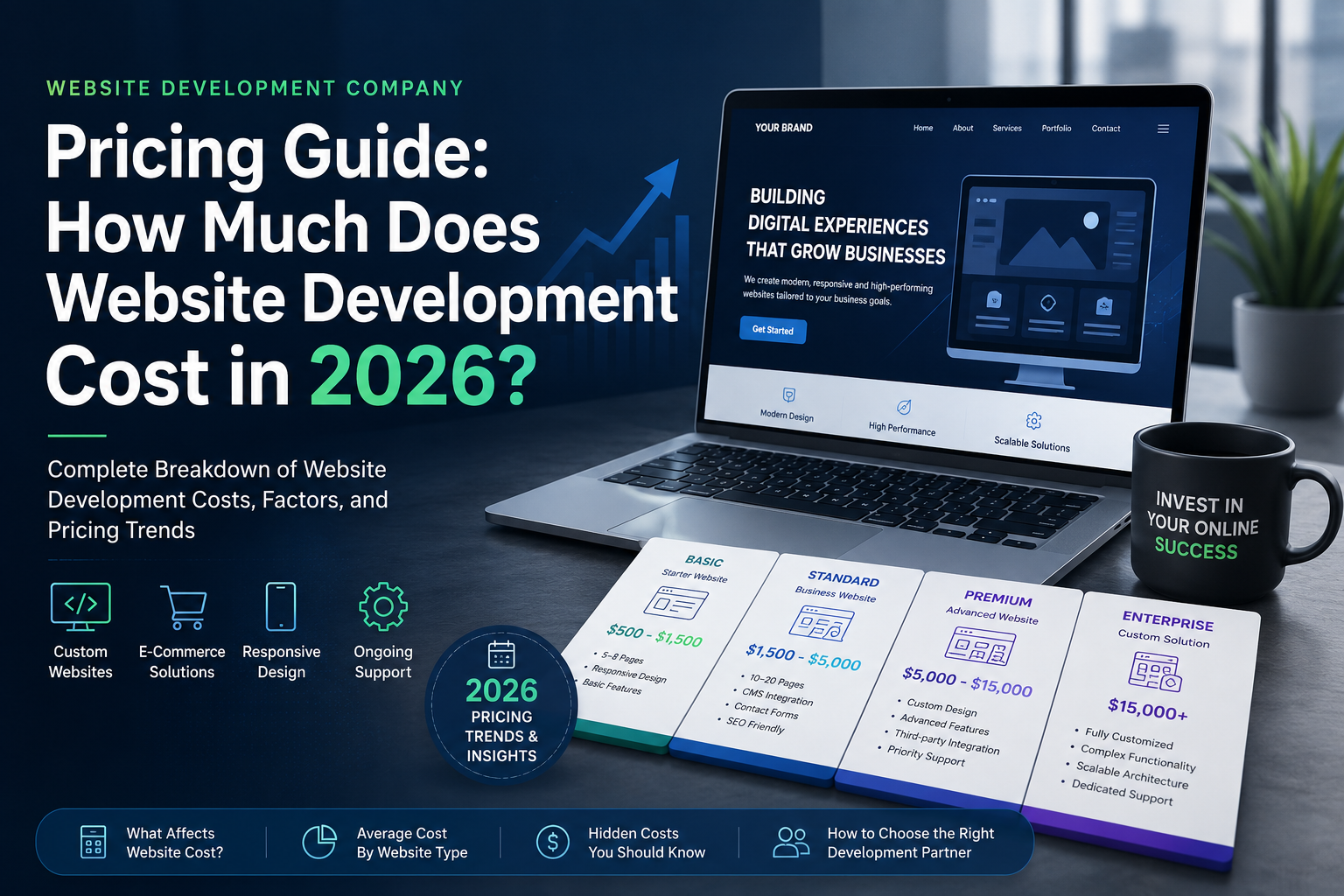
Website Development Cost by Website Type
The following table provides general pricing estimates for different website types. Actual costs vary depending on your requirements and the Website Development Company you choose.
| Website Type | Typical Complexity | Estimated Cost (USD) |
|---|
| Landing Page | Low | $300–$800 |
| Portfolio Website | Low | $500–$1,500 |
| Small Business Website | Medium | $1,000–$3,500 |
| Corporate Website | Medium–High | $3,000–$8,000 |
| Custom Business Website | High | $5,000–$15,000+ |
| eCommerce Website | High | $3,500–$25,000+ |
| Marketplace Platform | Very High | $20,000–$100,000+ |
| SaaS Platform | Enterprise | $30,000–$250,000+ |
These figures are intended as general industry ranges. Costs vary based on features, integrations, content requirements, and the experience of the development team.
Understanding Value Instead of Price
When comparing quotes, avoid choosing a provider based solely on the lowest price.
Ask yourself:
Will this website support SEO?
Is it mobile responsive?
Can it scale with my business?
Is security included?
Are future updates easy?
Will it help generate leads?
A professional Website Development Company doesn’t simply deliver pages—it builds a digital platform designed to grow alongside your business.
A well-built website may cost more initially, but it often reduces maintenance expenses, improves search rankings, increases customer trust, and delivers stronger long-term returns.
Choosing quality over the lowest price is often the smarter business decision.
Website Development Cost Breakdown
Understanding where your budget goes helps you make better decisions and compare quotes more effectively. While every project is different, most website development projects include the following components.
1. Discovery and Planning
Every successful website starts with planning.
Before designers create layouts or developers write code, they need to understand your business, target audience, competitors, goals, and technical requirements.
The discovery phase typically includes:
Business consultation
Competitor research
Website strategy
Sitemap planning
User journey mapping
Technical requirements
Feature planning
Skipping this stage often results in expensive changes later.
A professional Website Development Company invests time in planning because it reduces errors and creates a smoother development process.
2. UI/UX Design
Website design involves much more than choosing colors.
Professional designers focus on creating an experience that is visually appealing, easy to navigate, and conversion-focused.
This stage usually includes:
Wireframes
User interface design
Mobile layouts
Desktop layouts
Typography selection
Brand consistency
Interactive prototypes
Good design helps visitors find information quickly and encourages them to take action.
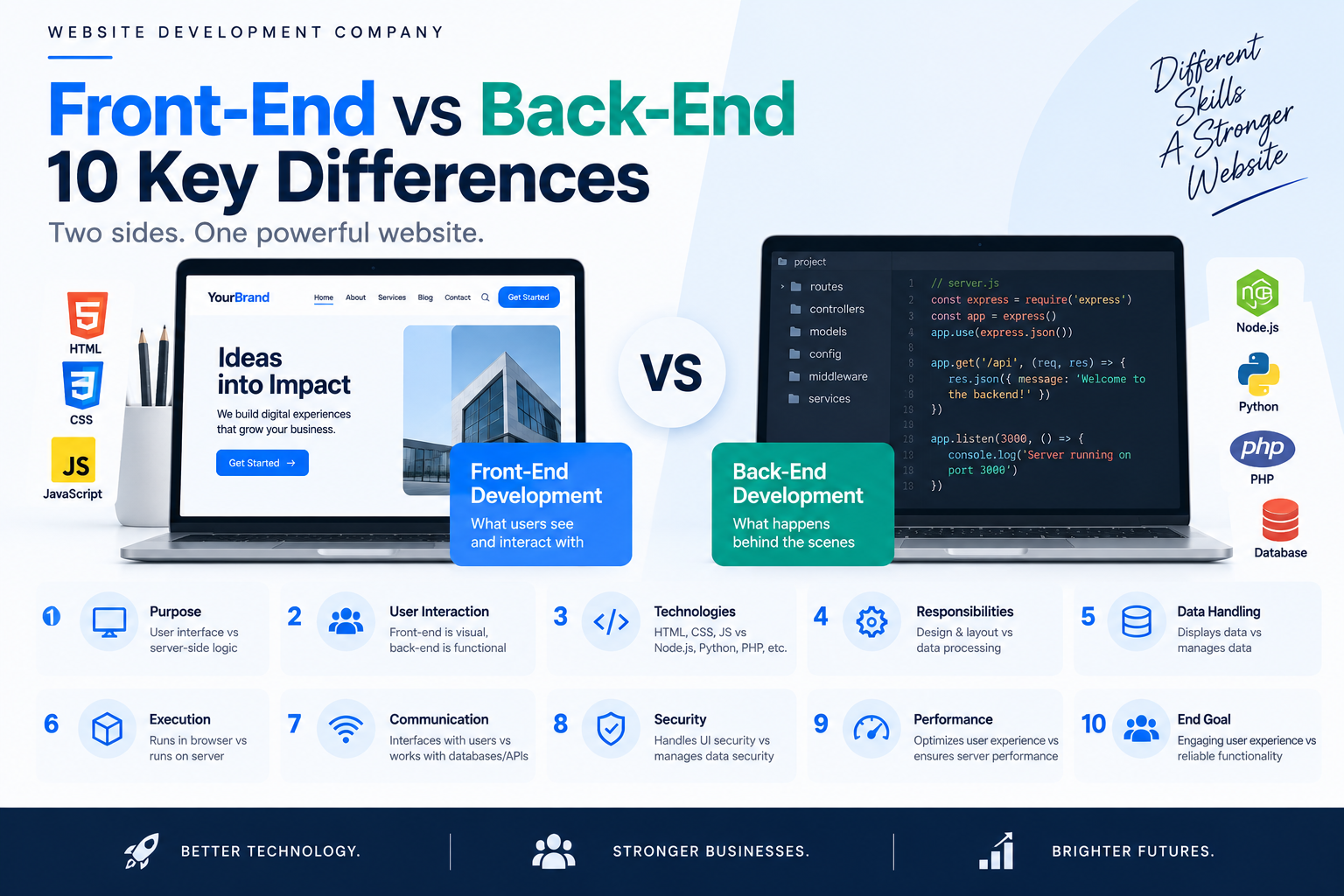
3. Front-End Development
Front-end development transforms approved designs into interactive web pages.
Developers build:
Every page is optimized to work across modern browsers and devices.
4. Back-End Development
The back end powers everything visitors don’t see.
Depending on the project, developers may create:
The more advanced the functionality, the higher the development cost.
5. Content Integration
Once the website structure is complete, content is added.
This includes:
Text
Images
Videos
Icons
Downloads
Product information
Blog articles
Well-organized content improves both user experience and SEO.
6. Testing and Quality Assurance
Before launch, every website should undergo detailed testing.
Developers verify:
Responsive design
Browser compatibility
Contact forms
Internal links
Website speed
Security
Accessibility
Performance
A reliable Website Development Company performs extensive quality assurance to ensure visitors receive a smooth experience from day one.
7. Website Launch
Launching a website involves more than clicking a publish button.
Developers typically:
This ensures the transition from development to production is as seamless as possible.
Custom Website vs Template Website
One of the biggest decisions businesses face is whether to choose a template-based website or invest in a custom solution.
Template Website
Template websites use pre-designed layouts that can be customized with your content and branding.
Advantages
Lower initial cost
Faster development
Suitable for startups
Easier to launch quickly
Limitations
Templates work well for very small businesses with basic requirements.
Custom Website
A custom website is designed and developed specifically for your business.
Everything—from layout to functionality—is tailored to your goals.
Advantages
Unique design
Better branding
Improved SEO foundation
Higher performance
Greater flexibility
Easier future expansion
Better user experience
Limitations
For businesses focused on long-term growth, a custom website usually provides greater value.
A professional Website Development Company can help determine which option best matches your budget and business objectives.
Freelancer vs Website Development Company
Businesses often compare freelancers with agencies before starting a project.
Both options have advantages, but they serve different needs.
Working with a Freelancer
Freelancers generally specialize in one or two areas.
Advantages include:
Lower pricing
Flexible schedules
Direct communication
Potential limitations include:
Working with a Website Development Company
A professional Website Development Company brings together specialists with expertise in multiple areas.
Typical team members include:
Advantages include:
For businesses expecting growth, an experienced Website Development Company often delivers better long-term value than relying on a single freelancer.
Hidden Website Development Costs You Should Know
Many businesses only budget for the initial development cost.
However, websites require ongoing investment to remain secure, fast, and effective.
Common ongoing costs include:
Domain Name
Your domain must be renewed annually.
Premium domains may cost significantly more than standard domains.
Web Hosting
Hosting costs vary depending on:
Storage
Bandwidth
Security
Server performance
Traffic volume
Reliable hosting improves speed and uptime.
SSL Certificate
Many hosting providers include SSL certificates, while others charge separately.
SSL encryption is essential for security and customer trust.
Website Maintenance
Maintenance typically includes:
Software updates
Plugin updates
Security monitoring
Bug fixes
Backups
Performance optimization
Ignoring maintenance often leads to larger repair costs later.
Premium Plugins and Software
Businesses may require premium tools such as:
These services usually involve monthly or annual subscriptions.
Content Updates
As your business grows, you’ll need to update:
Service pages
Product information
Team members
Blog posts
Promotions
Landing pages
Keeping your website updated improves both customer trust and search engine performance.
How to Reduce Website Development Costs Without Sacrificing Quality
Reducing costs doesn’t necessarily mean choosing the cheapest provider.
Instead, focus on improving project efficiency.
Here are several practical ways to manage your budget:
Define Your Goals Clearly
Knowing exactly what you need prevents unnecessary revisions and additional development time.
Prepare Your Content Early
Having text, images, and branding ready before development begins helps keep the project on schedule.
Prioritize Essential Features
Launch with the most important functionality first.
Additional features can often be added during future updates.
Choose Scalable Technology
Building on a flexible platform allows your website to grow without requiring a complete redesign later.
Work with an Experienced Website Development Company
While experienced agencies may charge more initially, they often prevent costly mistakes, deliver better performance, and reduce long-term maintenance expenses.
Instead of focusing only on today’s budget, consider the total cost of ownership over the next several years.
A professionally developed website that generates leads, improves SEO, and supports business growth usually provides a much higher return on investment than a cheaper alternative requiring frequent repairs or replacement.
How to Choose the Right Website Development Company
Choosing the right development partner is just as important as setting the right budget. The quality of your website depends on the experience, technical expertise, and communication skills of the team building it.
Here are the key factors to evaluate before hiring a Website Development Company.
Review Their Portfolio
A portfolio gives you insight into the company’s design quality, development standards, and industry experience.
Ask questions such as:
Have they worked with businesses similar to yours?
Are their websites responsive?
Do the websites load quickly?
Is the navigation simple and intuitive?
Do their projects reflect modern design practices?
A strong portfolio demonstrates the company’s ability to deliver professional results across different industries.
Understand Their Development Process
Every reliable Website Development Company should have a structured workflow.
A typical process includes:
Discovery and planning
UI/UX design
Website development
Content integration
Testing and quality assurance
Website launch
Ongoing maintenance and support
A clear process keeps projects organized, reduces delays, and improves communication.
Ask About SEO
Many websites fail because SEO is treated as an afterthought.
Your website should be built with technical SEO best practices from day one.
Ask whether the company includes:
An SEO-friendly website has a much better chance of ranking well in search engines.
Evaluate Communication
Website development is a collaborative process.
Choose a company that:
Responds promptly
Explains technical concepts clearly
Provides regular project updates
Sets realistic timelines
Answers questions transparently
Good communication helps avoid misunderstandings and keeps the project moving smoothly.
Check Maintenance and Support
Launching a website is only the beginning.
Your website will require:
Software updates
Security patches
Backups
Performance monitoring
Bug fixes
Feature enhancements
A professional Website Development Company should offer ongoing support to keep your website secure and up to date.
How to Budget for Website Development in 2026
Creating a realistic budget involves more than estimating the initial development cost.
Consider both one-time and recurring expenses.
One-Time Costs
Website planning
UI/UX design
Development
Content migration
Testing
Launch
Ongoing Costs
Domain renewal
Web hosting
Website maintenance
Security monitoring
Content updates
SEO
Marketing
Software subscriptions
Instead of selecting the cheapest option, focus on the long-term return on investment.
A professionally built website can continue generating leads and revenue for years.
Common Mistakes to Avoid
Many businesses spend more money than necessary because they make avoidable mistakes during the development process.
Choosing the Cheapest Quote
Low prices often result in limited functionality, poor code quality, weak SEO, and expensive redesigns later.
Ignoring Mobile Users
Most visitors browse websites on smartphones.
If your website isn’t optimized for mobile devices, you’re losing potential customers.
Forgetting SEO
Without technical SEO, even an attractive website may struggle to appear in search results.
Overloading the Homepage
Trying to include every piece of information on a single page often overwhelms visitors.
Focus on clear navigation and logical content organization.
Ignoring Website Speed
Slow websites reduce user satisfaction, increase bounce rates, and negatively affect search rankings.
Performance optimization should be a priority from the beginning.
Skipping Maintenance
Websites require regular updates to remain secure, compatible, and high-performing.
Neglecting maintenance often leads to larger repair costs later.
Conclusion
Website development is an investment in your business rather than simply another expense.
While pricing varies depending on design complexity, features, functionality, integrations, and long-term support, the goal should never be to find the cheapest solution. Instead, businesses should focus on value, quality, and future scalability.
A professionally developed website helps build trust, improves search engine visibility, enhances user experience, supports marketing campaigns, and generates more qualified leads.
Working with an experienced Website Development Company ensures your website is built using modern technologies, responsive design principles, technical SEO best practices, and strong security standards. More importantly, it gives your business a scalable digital platform that can grow alongside your company.
Whether you’re launching your first business website or replacing an outdated one, understanding website development costs allows you to make informed decisions and invest your budget wisely. A high-quality website isn’t just another business asset—it often becomes one of your most effective tools for attracting customers, increasing conversions, and driving long-term growth.
Frequently Asked Questions (FAQs)
1. How much does a business website cost in 2026?
A basic business website typically costs between $1,000 and $3,500, while custom business websites can range from $5,000 to $15,000 or more, depending on features and complexity.
2. Why do website development prices vary so much?
Pricing depends on factors such as custom design, functionality, integrations, number of pages, SEO, content creation, testing, and ongoing maintenance.
3. Is hiring a Website Development Company worth it?
Yes. A professional Website Development Company provides technical expertise, quality assurance, SEO optimization, security, scalability, and long-term support that often result in a better return on investment.
4. Which is better: a freelancer or a Website Development Company?
Freelancers are suitable for smaller projects with limited requirements. Larger businesses usually benefit from working with a Website Development Company because they gain access to a team of specialists in design, development, SEO, testing, and support.
5. How long does website development take?
A standard business website generally takes 4–8 weeks, while complex custom websites and eCommerce platforms may require several months.
Build Your Business with Gowenza
At Gowenza, we believe every business deserves a website that does more than look attractive. As a trusted Website Development Company, we build fast, secure, responsive, and SEO-friendly websites designed to generate leads and support long-term growth. Whether you need a corporate website, an eCommerce platform, or a complete website redesign, our team creates custom digital solutions tailored to your business goals.
Helpful Resources
Explore these trusted resources to learn more about website development and SEO:
These resources provide practical guidance on technical SEO, website performance, accessibility, and modern web development best practices.